What Is Caviar? A Beginner’s Guide to
the Fancy Stuff (Without the Snobbery)

Lover of chips, spoons, and removing unnecessary intimidation
What Is Caviar, Exactly?
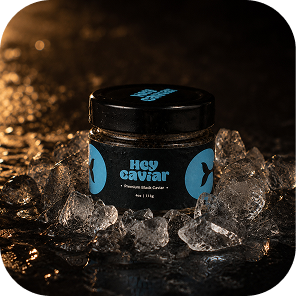
Caviar is salt-cured roe from sturgeon. Other fish produce roe too, including salmon and trout, but their eggs belong to the broader category of fish roe rather than traditional caviar.
Sturgeon species produce roe with different bead sizes, textures, and flavors. The eggs can be large and delicate or smaller and firmer, while the flavor ranges from creamy and buttery to briny, nutty, and mineral.
If you’re completely new to caviar, one distinction is worth remembering: all caviar is roe, but not all roe is caviar.
Quick Takeaway
Caviar is salt-cured sturgeon roe. Its flavor, bead size, and texture vary depending on the sturgeon species, curing method, freshness, and handling.
What Is Caviar Made Of?
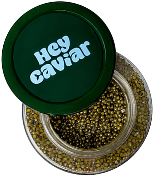
Caviar has a remarkably short ingredient list: sturgeon roe and salt. The condition of the roe and what happens during processing determine much of what you eventually taste.

After harvesting, the roe is separated and cleaned without damaging the eggs, then salted to preserve it and develop its flavor. Too much salt can overpower the natural taste of the roe, while a careful cure leaves its own flavor noticeable.
You can see and taste the difference in a good batch. The beads should remain intact rather than turning soft or watery, the aroma should be clean, and the salt should complement the natural buttery, briny, nutty, or mineral notes of the roe.
With only roe and salt involved, mistakes in curing or handling are difficult to disguise once the jar is open.
Caviar vs. Roe: What’s the Difference?
Roe is the general term for fish eggs.
Caviar traditionally refers to salt-cured roe from sturgeon.
Salmon roe, trout roe, and tobiko are therefore types of roe, while Beluga, Osetra, Sevruga, and Kaluga are types of sturgeon caviar.
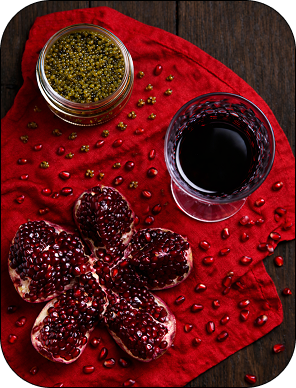
The visual differences can be substantial. Salmon roe, for example, has large orange eggs and a pronounced flavor. Black caviar from sturgeon generally comes in smaller beads that can be gray, charcoal, brown, olive, or occasionally golden. Depending on the species, the flavor may be buttery, nutty, mineral, creamy, or lightly briny.
Knowing what type of roe you’re buying gives you a useful idea of the texture and flavor to expect before you open it.
What Does Caviar Taste Like?
If you expect good caviar to taste strongly fishy, the first spoonful may surprise you.
Fresh caviar should have a clean aroma and a delicate brininess rather than an aggressive fishy taste. Depending on the sturgeon, you may notice buttery, nutty, mineral, creamy, or slightly oceanic notes. Some of that flavor should remain after the eggs have released on your tongue.
Texture deserves just as much attention. The beads should be intact and separate, then release as you press them against your palate. Some varieties have a softer, more delicate membrane, while others give you a firmer pop.
When tasting a new jar, look at the condition of the beads first. Notice whether they hold their shape, whether the aroma is clean, and whether the salt leaves room for the natural flavor of the roe. The finish should give you something beyond simple saltiness.
A harsh fishy smell, muddy flavor, excessive liquid, or unpleasantly aggressive salinity can point to problems with freshness, storage, curing, or handling.
Types of Caviar and What Affects Quality

Different sturgeon produce noticeably different caviar, which makes the species one of the most useful things to check when choosing a jar. Kaluga caviar produces large beads with a firm pop and a rich, buttery flavor, making it approachable for someone who wants substantial texture without an overly intense taste.
Beluga caviar is famous for exceptionally large eggs, a delicate membrane, and a smooth, mild flavor. Osetra caviar generally has medium-to-large, firmer beads and is particularly known for its complex, often nutty flavor. Sevruga caviar has smaller eggs and a more pronounced briny character. Kaluga caviar produces large beads with a firm pop and a rich, buttery flavor, making it approachable for someone who wants substantial texture without an overly intense taste.
Two batches from the same sturgeon species can still taste different. The condition of the roe, curing, freshness, and cold storage all affect the finished caviar.
Much of the caviar sold today comes from farm-raised sturgeon. Responsible aquaculture has reduced reliance on depleted wild sturgeon populations and gives producers greater control over raising, harvesting, processing, and traceability.
What Does “Grade A” Caviar Mean?
You’ll often see Grade A caviar used to describe roe selected for characteristics such as bead size, uniformity, firmness, appearance, and flavor.
When you open a jar, look at the eggs before you taste them. Good caviar should have well-defined, glossy beads that hold their shape, with relatively consistent size and appearance and very little excess liquid at the bottom of the container. The aroma should be mild and clean.
Then taste it. High-quality caviar shouldn’t rely on heavy salting to make an impression. The natural character of the roe should still be noticeable after the initial salinity.
Bead condition, aroma, texture, and flavor give you considerably more information about the caviar than an elaborate box or a luxurious product name.
Quick Takeaway
When judging caviar, look for intact, glossy beads, minimal excess liquid, a clean aroma, balanced salt, and a flavor that still reflects the roe itself.
How to Choose Caviar (Without Overthinking It)

Choosing your first caviar becomes easier once you have some idea of the flavors and textures you enjoy. A practical guide to buying caviar can help narrow the choice without overthinking it.
For a creamy, approachable profile, look for caviar with milder, buttery characteristics. Someone who enjoys stronger ocean flavors may prefer more salinity and brine. Texture gives you another way to narrow the choice: large, delicate eggs feel very different from firm beads with a pronounced pop.
For your first tasting, buy enough to get a proper sense of the caviar without committing to a huge tin. Try the first spoonful on its own so you know what you bought, then bring in simple pairings such as potato chips, blini, crème fraîche, eggs, or potatoes.
We taste our own caviar the same way. Starting with the roe by itself makes its firmness, salinity, and flavor much easier to judge before another ingredient enters the picture.
Once the jar is open, keep it cold and tightly covered and enjoy it while the beads still have their intended texture.
 Why Caviar Still Feels Relevant Today
 Why Caviar Still Feels Relevant Today
Caviar spent a long time surrounded by rules. Fine restaurants, formal service, mother-of-pearl spoons, Champagne, and special occasions all became part of its image.
The roe doesn’t know whether you’re wearing a dinner jacket.
A small serving already has plenty of flavor and texture. You can serve black caviar traditionally with blini and crème fraîche, put it on eggs or potatoes, add it to fries, or eat a spoonful straight from a cold jar.
Caviar works in all of those settings. Opening it at home on an ordinary evening doesn’t change the quality of what’s inside the jar, and serving it formally doesn’t make the roe taste better.
We’re partial to the version where people stop worrying about whether the occasion is important enough and actually eat the caviar.

Know What
Caviar Is.
Then Taste a Good One.
You now know the useful part of the definition: caviar comes from sturgeon, different species produce noticeably different roe, and the quality of a jar depends on more than the name printed on the label.
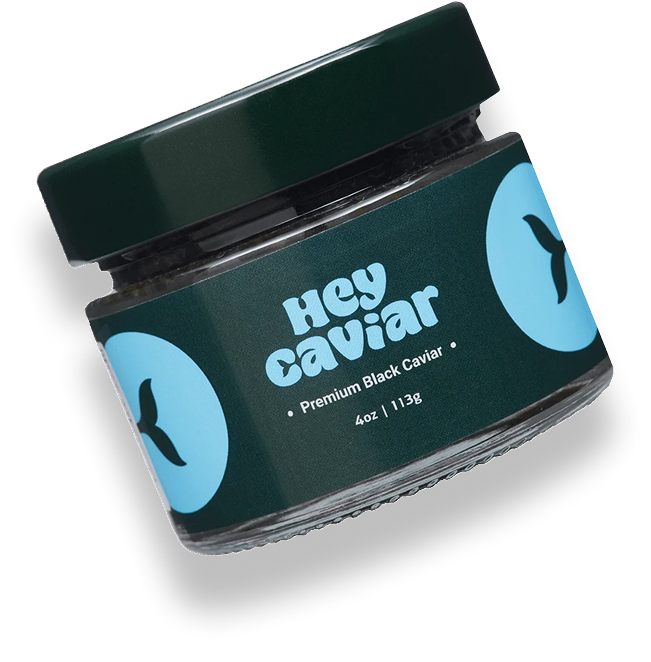
Our Grade A Kaluga has large, firm beads with a clean pop and a smooth, buttery flavor. If you’re new to caviar, try the first spoonful cold and plain. You’ll be able to feel the bead structure and taste the salinity before a chip, blini, or spoonful of crème fraîche changes the bite.
Try Our Grade A Kaluga.