Best Caviar to Buy: How
to Choose the Right Type

Lover of knowing what’s worth it before the jar is open
What Is the Best Caviar to Buy?
 People usually ask this question as if there’s a universal answer hiding somewhere behind enough research.
There isn’t.
The best caviar to buy depends far more on context than ranking. A first-time buyer looking for a smooth introduction needs something different than someone planning a larger caviar tasting or replacing a previous favorite. The problem is that most of the category still speaks in broad prestige language instead of helping people narrow the decision down practically.
That’s where buyers tend to get stuck. Too many options presented as equally luxurious, without much explanation of how they actually differ once you open them.
And once you remove the theater around caviar, the decision becomes much easier than the industry likes to pretend.
Quick Takeaway
The best caviar isn’t the highest ranked. The right choice depends on your experience, occasion, and the type of sturgeon behind the jar.
Most People Overestimate Branding and Underestimate Type
This happens constantly with caviar brands.
People assume the logo or reputation defines the experience, when the more important variable is usually the sturgeon itself. Different species produce noticeably different textures, levels of salinity, and overall structure. Some feel firmer and cleaner. Others lean softer or more delicate.
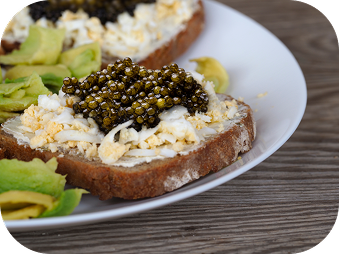 Those differences shape the experience much more directly than packaging ever will.
That’s also why two products with similar branding can feel completely different once eaten. The underlying caviar matters more than the storytelling around it.
A lot of experienced buyers eventually stop thinking in terms of brands altogether. They think in terms of species, sourcing, and consistency.
Why Kaluga Caviar Has Become Such a Common Starting Point
There’s a reason Kaluga caviar appears so often in conversations about premium caviar.
It tends to be balanced in a way that makes it approachable without feeling simplified. The texture is structured but not aggressive. The salinity stays controlled. The overall experience feels clean and stable, which matters more than people realize during a first purchase.

A bad first experience with caviar usually creates hesitation toward the category itself. That’s why consistency matters so much early on.
Kaluga also performs well across different situations. It works for someone quietly trying caviar at home for the first time, but it also holds up in a larger setting where people are comparing textures and paying closer attention during a caviar tasting.
That flexibility is part of what made it so widely adopted over the last several years.
What Good Caviar Brands Tend to Have in Common
Strong caviar brands are usually more transparent than theatrical.
They explain the species clearly. They provide sourcing information without burying it under vague luxury language. They focus on handling and consistency instead of trying to convince you that exclusivity alone guarantees quality.
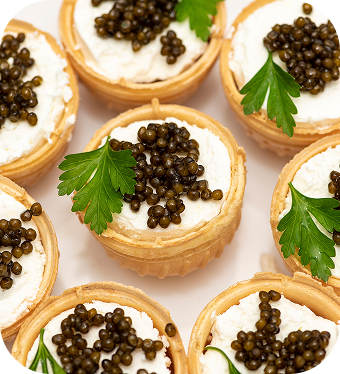 That operational clarity matters because caviar is unusually sensitive to how it moves through the supply chain. A beautiful product handled poorly will still disappoint once it reaches the spoon.
This is where a lot of buyers unknowingly pay for image instead of execution.
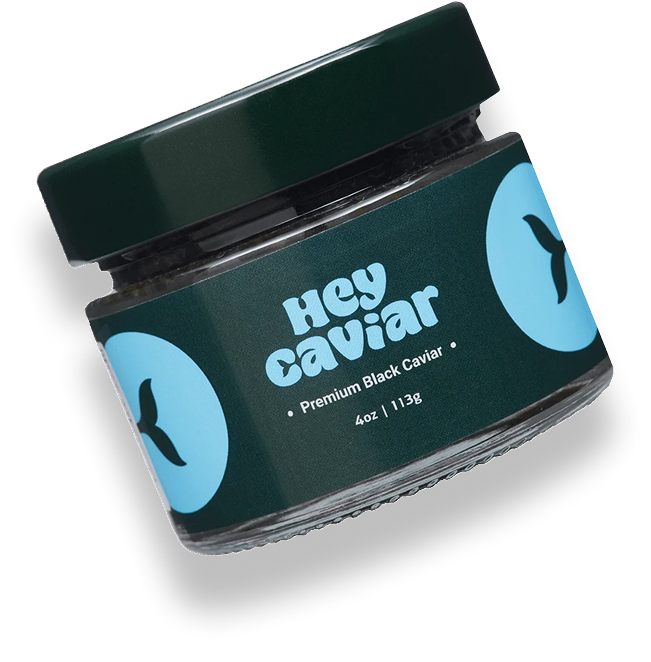
At Hey Caviar, the focus has always been on shortening that distance between sourcing and consumption. Less movement tends to produce a fresher, more stable product, which ultimately matters far more than decorative storytelling around the jar.
The irony is that genuinely high-quality caviar often feels less dramatic than people expect. It doesn’t need to perform that hard.
Quick Takeaway
The best caviar brands earn trust through clear sourcing, careful handling, and consistency, not dramatic luxury claims or exclusive branding.
How to Narrow the Decision Down Quickly
Most people don’t need an encyclopedic understanding of caviar before making a good purchase.
They usually need a reliable starting point.
 For newer buyers, a consistent sturgeon caviar with balanced texture tends to remove the most friction from the experience. That’s one reason Kaluga continues to work so well as an entry point into premium caviar. It gives people a strong reference point without overwhelming them.
From there, preferences become easier to identify naturally. Some people end up preferring firmer textures. Others gravitate toward softer, more delicate profiles. But those distinctions only become meaningful after the baseline experience makes sense.
Trying to optimize every variable before the first purchase usually creates more confusion than confidence.
The Best Caviar Usually Feels Obvious Once You Open It
The category spends a lot of time trying to look mysterious.
In practice, good caviar tends to feel surprisingly straightforward. The texture feels intentional. The product arrives cold and structured. The experience matches the expectation that was set before the jar was opened.
That alignment is what people are actually looking for when they search through caviar brands and compare options online. They want confidence that the product will justify the decision once it’s in front of them.
And when the sourcing, handling, and species all line up properly, it usually does.

Why Small
Luxuries Aren’t
Going Anywhere?
This is a recalibration, not a phase. People are learning that joy doesn’t need scale, indulgence doesn’t need permission, casual luxury doesn’t need to last to matter
Small luxuries work because they respect reality. They meet people where they are… Tired, busy, still deserving of something good. And right now, that’s enough.
Actually? That’s everything.