Where to Buy Caviar Online
(Without Getting Scammed)

Lover of short supply chains and products that arrive the way they left the farm
Where Should You Buy Caviar Online?
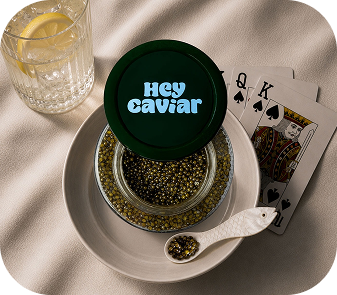
The internet has made caviar dramatically easier to find, but the quality you get from different sellers can vary considerably.
Today, you can buy caviar online through marketplaces, specialty food retailers, luxury gift companies, subscription services, and direct suppliers. That gives buyers plenty of options, although two similar-looking jars may have taken very different routes before reaching the customer.
Many disappointing purchases have less to do with the species than with what happened to the caviar after it left the producer. Extra time in storage, transfers between distributors, and inconsistent temperature control can all affect the condition of the roe by the time you open the jar.
When choosing where to buy caviar online, pay attention to how the seller sources, stores, and ships a product that needs careful temperature control from the farm to your refrigerator. At Hey Caviar, we keep a close eye on that entire route, including storage, packing, and delivery, because those steps have a direct effect on the condition of the caviar when you open it.
Quick Takeaway
Look for a seller that provides clear sourcing information and explains how the caviar is stored and shipped. A shorter, well-controlled supply chain, like the one used by Hey Caviar, reduces the number of places where handling problems can occur.
Why Some Online Sellers Consistently Perform Better Than Others
When people compare online sellers, they often focus on website design, branding, or product photography.
For a perishable product like caviar, the more useful questions concern storage and fulfillment. Temperature consistency, storage conditions, fulfillment speed, and inventory turnover can all affect what you eventually taste. Beautiful packaging won’t compensate for roe that has spent too long in storage or hasn’t been kept consistently cold.
Reliable sellers can tell you where their caviar comes from and how it has been handled. They also manage inventory carefully and limit unnecessary steps between the producer and the customer.
This is one reason we prefer to keep our own operation relatively simple at Hey Caviar. We’d rather know exactly what is happening to the caviar we sell than build a huge catalog that requires more suppliers, more inventory, and more moving parts.
The Problem With Long Supply Chains
For decades, caviar moved through a fairly predictable system.
Producers sold to importers. Importers sold to distributors, who supplied retailers before the product finally reached the customer.
That system made caviar available in markets far from the producer, but every additional stop also meant more time in transit or storage. It created more opportunities for changes in temperature and made the history of an individual jar harder for the buyer to trace.
Those extra steps can also add cost without improving the caviar.
Direct sourcing has become increasingly attractive for this reason. Buyers can get a clearer picture of where the product came from, while sellers have fewer handoffs to manage before the order reaches the customer.
We built Hey Caviar around that shorter route. Instead of adding layers between the source and the person eating the caviar, we try to remove the ones that aren’t doing anything useful for the product.
Direct Farm-to-Door Delivery Has Changed the Category
Direct farm-to-door caviar delivery has simplified a process that was historically more complicated.
When fewer organizations handle the product, the route from the producer to the customer becomes easier to manage. There is less time for the caviar to sit in intermediate storage, fewer transfers between facilities, and fewer points where temperature control can vary.
The number of steps alone doesn’t guarantee quality. A direct seller can still handle caviar badly. The product has to be stored at the right temperature, packed cold, and shipped quickly.
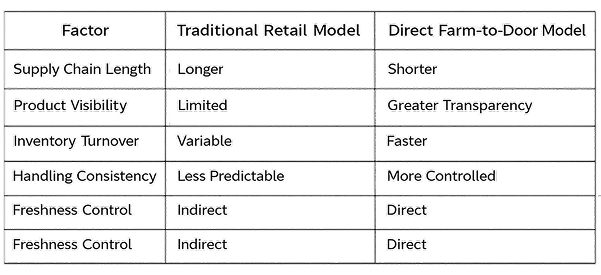
That distinction matters when comparing direct caviar shops with larger marketplaces. A marketplace may give you more brands to choose from, while a specialist seller can concentrate on a much smaller number of products and pay closer attention to how each order is handled. At Hey Caviar, we chose the second approach.
What To Look For Before You Place an Order
Before ordering from a caviar shop, look for specific information about the product rather than relying on the presentation of the website.
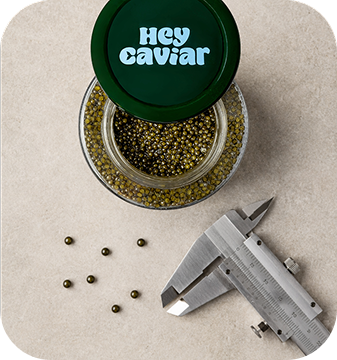
The seller should identify the species clearly and provide useful sourcing information. You should also be able to find out how orders are packed and shipped, especially because caviar needs to remain cold in transit.
Pay attention to the product descriptions as well. A useful listing tells you something concrete about the caviar, such as its species, bead size, texture, flavor, origin, or handling. If most of the description is devoted to prestige and luxury while basic product information is difficult to find, you have less information to judge what you’re buying.
That’s also how we approach our own product pages. We sell Grade A Kaluga caviar, so we tell you what you can expect from it: large, firm beads, a clean pop, and a smooth, buttery flavor. Those details are more useful before an order than another paragraph about exclusivity.
Quick Takeaway
Before ordering, check the species, sourcing information, storage and shipping details, and what the seller actually tells you about the caviar. You should know more about the product than the design of the box it comes in.
Why Trust Matters More Than Selection
Many online retailers compete by offering enormous catalogs.
A large selection can be useful, but caviar inventory has to be managed differently from shelf-stable food. The longer a jar sits in storage, the less time the customer has to enjoy it at its best.

For that reason, a smaller selection with regular inventory turnover can be a good sign. It allows the seller to concentrate on products they know well and manage storage more closely instead of keeping dozens of varieties available simply to make the catalog look impressive.
We made that choice deliberately at Hey Caviar. Our selection is focused because we’d rather sell caviar we know well and can handle consistently than give you forty jars to compare before dinner.
That doesn’t mean a large retailer automatically sells bad caviar. It means selection alone tells you very little about quality. How long the product has been stored, who handled it, and what happens after you click “buy” are much more useful things to investigate.
Buying Caviar Online Should Feel Easier Than It Does
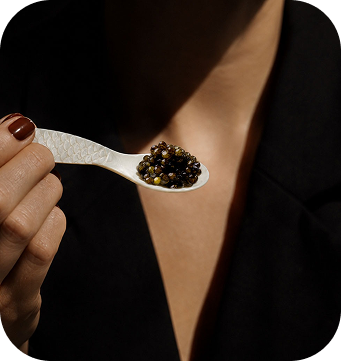
Caviar still comes with more buying anxiety than most foods. Some of that comes from the price and questions about why caviar is so expensive, some from unfamiliar terminology, and some from decades of marketing that made the category seem more complicated than it needs to be.
A few practical checks make the decision much easier. Find out what species you’re buying, where it comes from, how the seller stores it, and how it will be shipped to you. Then look at whether the price makes sense for the product and service being offered.
This is also why we try to keep buying from Hey Caviar fairly straightforward. We tell you what we sell, what it tastes like, how it will arrive, and how to eat and taste caviar once it gets there. You shouldn’t need an advanced degree in sturgeon to order a jar online.

Buy Caviar From People Who Care What Arrives
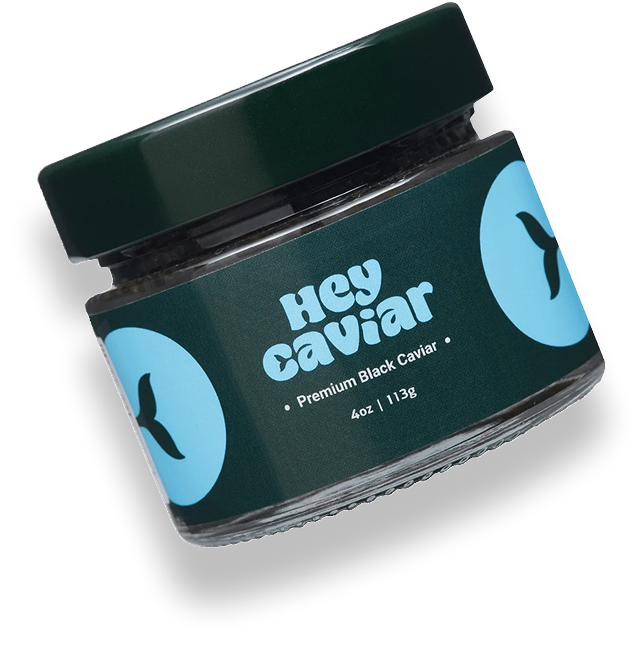
When you order caviar online, the important part happens after you click “buy.” The jar still has to be stored properly, packed cold, and delivered quickly enough to preserve the texture and flavor you paid for. That’s why we keep our supply chain short and our selection focused at Hey Caviar. Our Grade A Kaluga arrives with large, firm beads and the smooth, buttery flavor we expect from it, and we want it to reach your refrigerator in that same condition.
There are plenty of places online where you can buy caviar. We’d rather give you fewer reasons to wonder what you’re getting. Pick your jar, we’ll take care of getting it to you cold, and then you can deal with the more important question of whether anyone else deserves a spoonful.
Get your the best jar now