Taste Is the New Status
Symbol (Not Stuff)

Lover of chips, spoons, and spotting a quiet flex from across the room
Status Still Exists. It Just Changed Outfits.
Status used to be loud.
Big logos, flashy purchases, the kind of shopping bag you carried like it deserved its own security detail.
Lately, those signals have started to feel overexposed and a little obvious. What’s becoming more interesting is the ability to recognize something good without needing everyone else to recognize it too.
Instead of “look what I bought,” the message is closer to “I know what I like.”
That shift fits naturally with casual luxury, where taste matters more than how loudly a purchase announces itself.
Quick Takeaway
Modern status is increasingly expressed through casual luxury: recognizing quality, choosing what you genuinely like, and enjoying it without needing to turn every purchase into a display.
What “Taste” Means in Modern Luxury
When people say taste is the new status symbol, they’re not talking about being fancy. They’re talking about discernment.
Taste means being able to tell the difference between something that’s merely expensive and something that’s actually good, or between a trend you’ll forget in six months and something you’ll still enjoy after everyone has moved on.
Experience plays a role here. The more you try, compare, and pay attention to quality, the less you need a logo or someone else’s approval to tell you what is worth buying.
That shows up in what you choose, how you serve it, and what you’re comfortable enjoying without explaining the choice to anyone else.
Why Traditional Status Symbols Don’t Hit Like They Used To
Luxury aesthetics have been copied, filtered, and reproduced so widely that many of the old visual signals have lost some of their impact.
A few things changed at once:
- looking expensive became easier
- conspicuous consumption became more common and therefore less distinctive
- familiar luxury cues became predictable
- social media made styles and aesthetics remarkably easy to reproduce
When the look itself is available almost everywhere, knowing what is actually good becomes more valuable.
Why Taste Became the “Quiet Flex”
Taste shows up most clearly in choices you would probably make even if nobody else saw them.
That can mean buying less but being more particular about what you buy, knowing why you prefer one product over another, or spending money on something because the quality is noticeable rather than because the branding is.
Food fits particularly well into this kind of consumption. Luxury snacks, elevated versions of familiar comfort foods, and something unusually good for no particular reason exist for exactly this purpose: you enjoy them, remember them, and move on. You don’t have to find somewhere to display them afterward.
Why Food Became the Most Obvious Taste Signal
Food has become one of the clearest expressions of modern taste because you have to experience it to understand whether it is actually good.
A high price can get someone’s attention, but it can’t make mediocre food taste better. When you eat something, the quality has to show up in the ingredients, texture, freshness, preparation, and flavor.
People also tend to remember a genuinely good meal or an unexpectedly great bite long after they’ve forgotten what it cost. The opposite is true as well: expensive food that doesn’t deliver is difficult to rescue with presentation.
That helps explain the appeal of luxury snacks and gourmet snacks. They offer a small, immediate way to spend more on quality without turning the purchase into something you need to own, store, or display.
A better bite can say plenty on its own.
Quick Takeaway
Food makes taste easy to judge because the experience is immediate. Price and presentation can create expectations, but the flavor and quality still have to deliver once you take a bite.
The Difference Between Showing Off and Choosing Well
Showing off depends on other people noticing what you have. Choosing well still makes sense when nobody is paying attention.
That difference changes how people spend. Someone buying for an audience is likely to care more about recognition, while someone buying for themselves can pay attention to details that may not be obvious from across the room: how something was made, where it came from, how it tastes, or whether the quality actually justifies the price.
That kind of confidence is increasingly part of what people mean when they talk about taste.
Why Taste-Based Status Feels More Sustainable
Status built around constantly acquiring recognizable objects requires you to keep up with whatever comes next. Personal taste is less dependent on that cycle because your choices become more specific as you learn what you actually enjoy.
That can mean buying fewer things, spending more selectively, or choosing experiences and food that feel more like accessible self-care than status purchases.
You can still like expensive things. The difference is knowing what you are paying for and whether you would choose the same thing without the status attached to it.
Where Black Caviar Fits Into the Taste Era
Caviar has all the history of a traditional status symbol: it’s rare, expensive, and has spent plenty of time on formal tables. But casual caviar is also unusually well suited to the way people think about luxury now.
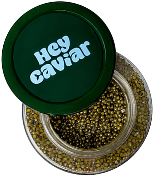
Once the jar is open, branding can only do so much. You notice whether the beads are firm and intact, whether the salinity is balanced, whether the flavor is clean, and whether you actually want another spoonful. Good caviar rewards someone who pays attention to those details.
It also doesn’t require much ceremony. You can serve it traditionally with blini and crème fraîche or put it on a potato chip and get just as much pleasure from the caviar itself.
At Hey Caviar, that’s how we prefer to think about it. Caviar is excellent food first. You can make an occasion out of it when you want to, but the quality shouldn’t depend on the occasion.

Good Taste Starts with Good Caviar
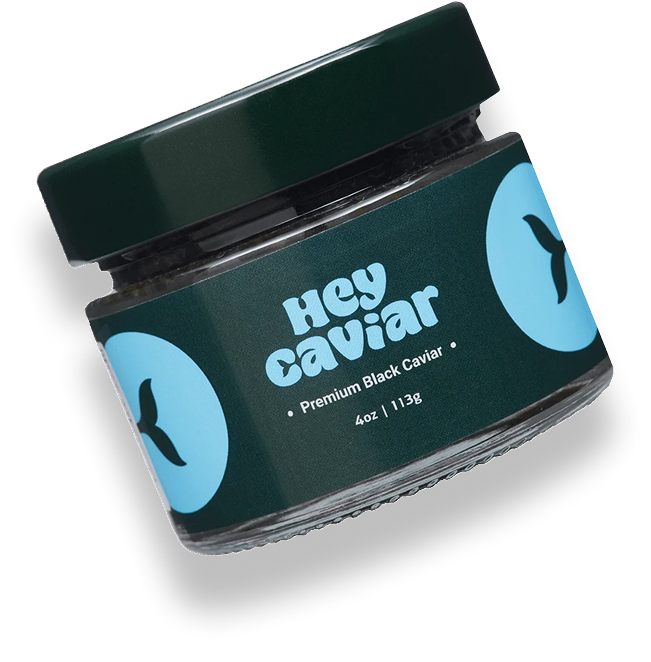
If taste is knowing the difference between expensive and genuinely good, caviar is a pretty useful test. Our Grade A Kaluga has large, firm beads, balanced salinity, and a smooth, buttery flavor, so there’s something worth paying attention to once the jar is open.
Try it plain first, then put it on a potato chip if that’s more your speed. You don’t need a formal table to appreciate good caviar, and you definitely don’t need to explain why you bought it.
Get your jar. Pretend you’re important