Food as Self-Care:
The Case for Tiny Indulgences

Lover of chips, spoons, and eating without multitasking
Self-Care Got Complicated
Somewhere along the way, self-care became a project.
Morning and evening routines now come with supplements, tracking, checklists, and enough advice to make relaxing feel like homework. All of that can be useful, but sometimes taking care of yourself is much more ordinary. You make time for something you enjoy and let yourself enjoy it.
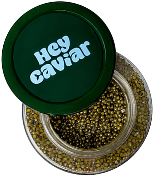
Food is particularly good at this because it’s already part of the day. A favorite meal, a great pastry, or a few spoonfuls of caviar can give you a reason to stop what you’re doing for a few minutes and pay attention to something other than work, errands, and your phone. At Hey Caviar, we can get behind that version of self-care.
Quick Takeaway
Food can be part of self-care when you choose something you genuinely enjoy and give yourself enough time to taste it. No elaborate routine is required.
What People Mean When They Say “Food as Self-Care”

Food as self-care can be as simple as choosing something you genuinely enjoy and giving yourself time to enjoy it. You might make a favorite meal, buy an ingredient you normally save for special occasions, or sit down to eat without answering emails at the same time.
Intentional eating follows the same idea. You pay attention to flavor, texture, and how satisfying the food actually is instead of rushing through lunch just to get back to whatever you were doing.
This doesn’t require every meal to become a mindful ritual. Most of us still eat hurried breakfasts and lunches between meetings. The difference is making room occasionally for food that deserves a little more attention.
Why Indulgence and Self-Care Aren’t Opposites
Self-care is often discussed in terms of improvement: better sleep, better habits, better nutrition, more exercise. Pleasure belongs in the conversation too.
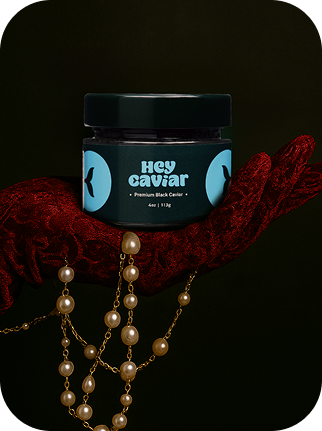
A small food indulgence gives you something immediate to look forward to during an ordinary day. It could be a dessert from a bakery you like, good cheese, a bottle of olive oil you normally wouldn’t buy, or black caviar waiting in the refrigerator.
Food works especially well here because the commitment is small. You can spend a little more on something noticeably better without planning an entire evening around it.
That helps explain why luxury snacks are meant to be eaten now. Familiar foods made with better ingredients or paired with something unexpected give you the pleasure of a treat without requiring much time or preparation.
Why Food Fits the “Small Luxuries” Shift
Many traditional luxuries require a substantial purchase, a special occasion, or both. Food gives you a much smaller way in.
Spending extra on one excellent ingredient can change a meal you were already going to eat. A great pastry improves breakfast. Good cheese takes care of the snack situation. A spoonful of black caviar turns eggs, toast, or a bag of potato chips into something considerably more interesting.
The pleasure also happens immediately. You taste what you paid for, enjoy it, and get on with your day. There’s no need to find shelf space for it or wonder whether you’ll still like it next year.
That makes food one of the more practical forms of accessible luxury.
Where Black Caviar Fits Into Food-Based Self-Care
Black caviar works particularly well as one of those small everyday luxuries because a modest serving gives you plenty to pay attention to. Good caviar has a distinct texture: the beads should hold their shape, release cleanly in the mouth, and follow with a balanced salty, buttery flavor.
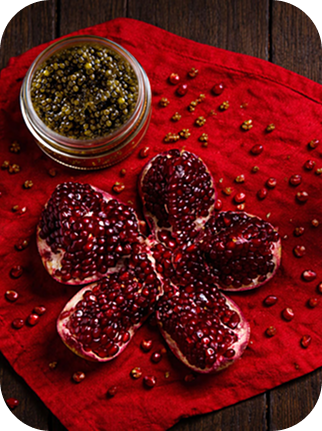
You naturally eat it in small bites, which gives you time to notice those details. Start with a spoonful on its own, then try it with something simple such as a potato chip, egg, warm blini, or a little crème fraîche.
There’s no practical reason to reserve that experience for a formal dinner. If you have a cold jar in the refrigerator and twenty quiet minutes after work, you already have everything you need.
Caviar also fits the broader shift toward taste being the new status symbol, where knowing what you enjoy carries more weight than making an expensive purchase obvious to everyone around you. Someone eating Kaluga caviar on a potato chip in their kitchen may be having a better time than the person waiting for the correct tablecloth.
We’re comfortable with that arrangement.
Quick Takeaway
A small serving of black caviar offers enough flavor and texture to make a simple snack feel special. Serve it cold, keep the pairing simple, and give yourself a few minutes to actually taste it.
Why Tiny Indulgences Actually Stick
A weekend away or a spa day can be great, but neither fits easily into a random Wednesday afternoon. Small food treats do.
They require less planning and can be adjusted to whatever your day looks like. Some days that means ordering your favorite takeout. Other days it means buying the good bread instead of the acceptable bread. And occasionally it means opening the caviar you were supposedly saving for people who have never confirmed when they’re coming over.
The scale is small, but the pleasure is real. That makes these habits easier to return to without turning them into another self-improvement program.

A Better Reason to Open the Caviar
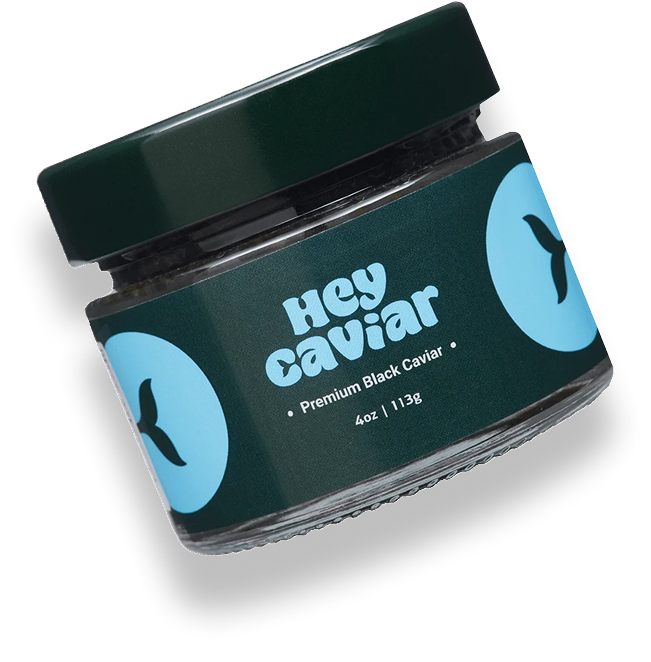
If good food is one of the ways you make an ordinary day better, keep a jar around that’s worth opening. Hey Caviar Grade A Kaluga has large, firm beads and a smooth, buttery flavor that you can eat straight from the jar or serve with something simple you already have at home, like eggs, a warm blini, or potato chips.
You can save it for guests if you want. We’d rather see you open it when you’ve had a long day, pour yourself something cold, and eat a few spoonfuls before anyone else gets home. That seems like a perfectly reasonable use of good caviar.
Get your jar. Pretend you’re important