How to Eat Caviar: A Beginner’s
Guide to Caviar Tasting
(Without the Fancy Rules)

Lover of chips, spoons, and eating expensive things in sweatpants
Why Caviar Tasting Feels Intimidating And Why It Really Shouldn’t

Most people don’t avoid caviar because they dislike fish eggs. The hesitation usually comes from the feeling that caviar tasting has its own set of rules and that somehow you’re supposed to know them before taking the first bite.
Caviar is salt-cured sturgeon roe, and good caviar should have a clean flavor rather than taste aggressively fishy. Kaluga, for example, is known for large beads, a firm texture, and a smooth, buttery profile.
For your first tasting, keep the jar cold and start with a small amount on its own. Pay attention to the firmness of the beads, the salinity, and the flavor that develops after they release on your tongue. Once you know what the caviar tastes like plain, try it with a simple pairing and see which version you prefer.
Welcome to Hey Caviar Everyday Luxury.
Quick Takeaway
Keep caviar cold and taste a small amount on its own before adding other foods. Simple pairings work best when you want the flavor and texture of the roe to remain noticeable.
What Does Caviar Taste Like? A Straight Answer for First-Time Caviar Tasting

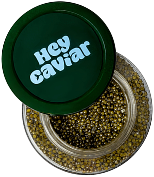
Good black caviar develops as you eat it. You’ll usually notice the salinity first, followed by buttery, creamy, nutty, or lightly oceanic notes depending on the sturgeon species and the individual product.
Texture is just as important. The roe should look glossy and the beads should remain defined rather than mushy or sticky. With firm caviar such as Kaluga, you should feel the individual beads before they release on the tongue.
The aroma should be mild and clean. Strong fishiness, an unpleasant smell, or saltiness that overwhelms everything else can point to problems with the product, its freshness, or the way it has been stored.
Caviar Tasting Rules That Actually Matter for Black and Premium Caviar
There are plenty of traditions surrounding caviar, but only a few have much practical value when you’re eating it:
- Keep caviar cold. Proper chilling helps the eggs retain their structure. If the roe gets too warm, the beads can soften and lose some of their definition.
- Start with a small amount. A small spoonful gives you enough caviar to notice the texture, salinity, and finish without filling your palate with salt.
- Go easy on strong flavors. Large amounts of hot sauce, raw onion, or heavily seasoned toppings can easily cover the flavor you’re trying to taste.
- Choose a simple base. Potato chips, blini, toast points, and mild crackers add texture without competing too heavily with the roe.
Get those basics right and you can be considerably less concerned about the ceremonial side of serving caviar.
How to Eat Caviar (Step-by-Step, Real-Life Edition)
For a first tasting, give yourself a chance to taste the roe before experimenting with pairings.
- Step 1: Open the jar carefully. If it is vacuum-sealed, loosen the lid gently rather than shaking or disturbing the roe inside.
- Step 2: Take a small spoonful. You need enough to feel several beads release and to notice the flavor clearly.
- Step 3: Taste it plain. Let the beads sit briefly on your tongue, then press them gently against your palate. Notice the firmness, salinity, and finish.
- Step 4: Add a simple pairing. Try the next bite on a potato chip, blini, toast point, cracker, or another mild base and compare it with the first.
You don’t have to repeat these steps every time you open caviar. They’re simply a useful way to learn what a new jar tastes like before other ingredients get involved.
The Best Things to Eat Caviar With (That Don’t Steal the Spotlight)

For your first few pairings, choose foods that add texture or richness without covering the caviar.
Easy options include:
- plain potato chips
- toast points
- simple crackers
- blinis
- a small amount of crème fraîche
A crisp potato chip gives you a useful contrast with the softer interior of the roe, while crème fraîche adds richness and softens some of the salinity.
You can make the plate more elaborate later if you want. For learning what a new caviar tastes like, a few simple foods are usually more useful than a long list of garnishes.
What Spoon Should You Use? (And Does Metal Actually Matter?)
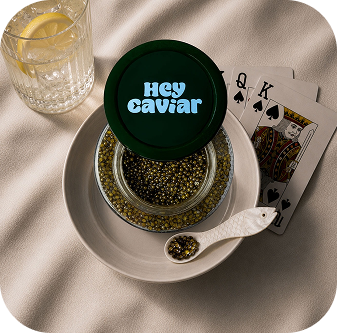
You’ve probably heard that caviar should never be eaten with a metal spoon. The traditional preference for mother-of-pearl has a practical basis, but using the wrong spoon for one bite isn’t going to destroy the jar.
Reactive metals can affect the flavor of delicate foods, which is why mother-of-pearl has long been associated with caviar service. Bone, ceramic, and glass are also neutral options.
Modern stainless steel is much less reactive than metals such as silver. If a mother-of-pearl, bone, ceramic, or glass spoon is available, use it. If the only clean spoon in your kitchen is stainless steel, open the caviar anyway.
The condition and temperature of the roe will make a much bigger difference than the appearance of the spoon.
How Much Caviar Should You Eat in One Bite?
About ½ teaspoon of black caviar is a useful starting point for your first bite.
That gives you enough roe to feel the individual beads and notice how the flavor develops without putting so much in your mouth that everything turns into one salty mouthful.
Take your time with that first taste. Notice the initial salinity, the firmness of the beads, what happens when they release, and the flavor that remains afterward.
Once you know what you’re tasting, there’s no need to measure every serving. Smaller portions are mainly useful when you’re learning the product or comparing several pairings.
Quick Takeaway
Start with about ½ teaspoon for your first taste. It’s enough to notice the texture and flavor clearly before deciding how much you want in the next bite.
Where Hey Caviar Fits Into “Eating Caviar Like a Normal Person”
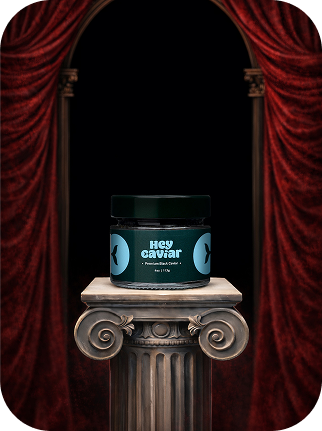
Caviar is still frequently presented as something that belongs on a formal tasting menu or a table where everyone already knows which spoon to use.
We’d rather have people actually eat it.
A jar of black caviar can absolutely be part of an elegant dinner, but it can also be opened at home because you felt like buying good caviar. If you’re new to it, taste the first spoonful cold and plain. After that, use whatever pairing makes you want another bite.
Our Grade A Kaluga works particularly well for this because the large, firm beads give you plenty of texture to notice on their own, while the smooth, buttery flavor is easy to pair with familiar foods.
Blini and crème fraîche are good. Potato chips are good. Eating it at the kitchen counter in sweatpants is also a completely legitimate use of a jar.
A Light Note on Delivery and Shipping Because It Actually Matters
Caviar is temperature-sensitive, so transportation has a direct effect on the condition of the roe.
If you buy a jar locally, take it home and refrigerate it promptly rather than leaving it in a warm car while you finish the rest of your errands.
Our caviar is packed cold and sent with 24-hour delivery so the Kaluga reaches you properly chilled. Once it arrives, put the jar in the refrigerator and keep it there until you’re ready to serve it.
Want a more detailed explanation of what temperature does to the roe? Read:
→ Temperature and Timing: How Not to Ruin Great Black Caviar
If You Take Nothing Else From This Guide…
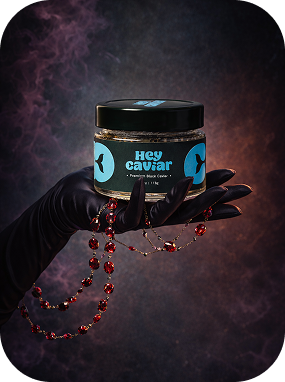
For your first caviar tasting, keep the jar cold and taste a small spoonful before adding anything else. Give yourself a moment to notice the beads, salinity, and finish, then try the next bite with something simple.
After that, you can stop worrying about whether you’re following the traditional rules closely enough. Serve it formally when you want the ceremony, put it on potato chips when you don’t, or alternate between the two.
Once you understand what the caviar itself tastes like, you’re in a much better position to decide how you actually enjoy eating it.
For more on the less formal side of caviar, read:

Your First Bite Should Be the Caviar
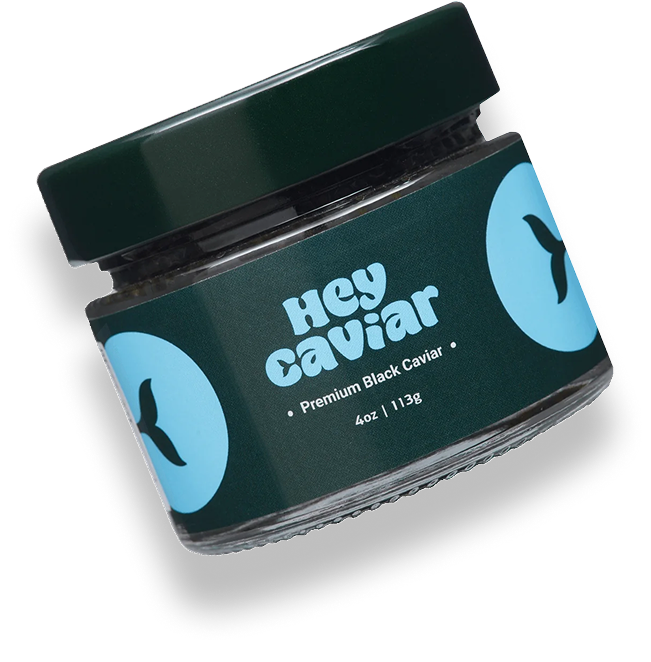
If this is your first jar, don’t start by building the perfect caviar spread. Open it cold and try a small spoonful plain. Our Grade A Kaluga has large, firm beads with a clean pop and a smooth, buttery flavor, so there’s plenty to notice before you put anything underneath it.
Then get the potato chips involved. Try blini or crème fraîche if you have them. By the time you’ve had a few bites, you’ll know more about how you like caviar than another twenty minutes of reading serving rules online could tell you.
Start With a Jar of Grade A Kaluga.