How to Store Caviar
Properly (Temperature,
Containers, and Timing)

Lover of cold storage and not ruining good texture
How Should You Store a Caviar Jar?
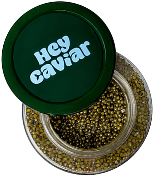
A caviar jar should be stored in the coldest part of your refrigerator, ideally at 28–34°F (-2 to 1°C). In most home refrigerators, the back of the lowest shelf is a better choice than the door, where the temperature changes every time the fridge is opened. Keep the jar tightly sealed and leave it in its original container until you’re ready to serve it.
Avoid moving the jar in and out of the refrigerator or leaving it on the counter while preparing the rest of the meal. Caviar should stay consistently cold and should never be allowed to freeze. Once opened, return the jar to the refrigerator as soon as you’re finished serving and limit its exposure to air. If you’re serving it over a longer meal, placing the jar over crushed ice will help keep the roe properly chilled and preserve the firm texture of the beads.
Quick Takeaway
Store caviar in the coldest part of the refrigerator (28–32°F), keep the container sealed, and minimize air exposure. Temperature stability matters as much as temperature itself
Why Caviar Storage Matters
Caviar is a delicate product. Unlike heavily preserved foods, premium caviar is lightly cured to protect flavor and texture rather than extend shelf life indefinitely. That means its quality depends heavily on how it’s handled after it leaves controlled storage.
The defining characteristic of good caviar, especially sturgeon caviar, is bead integrity. How the eggs hold their shape and release flavor is what separates it from ordinary fish roe.
Keeping the caviar consistently cold helps those beads retain their structure until you’re ready to serve them.
The Right Temperature for Caviar

Caviar should be kept as close to freezing as possible without actually freezing. The ideal range is 28–34°F (-2 to 1°C).
Most home refrigerators run slightly warmer than this, which is why placement matters. The back of the fridge or the lowest shelf is typically the coldest and most stable area.
You don’t need to chase an exact number if the temperature stays consistently cold.
Repeated temperature fluctuations, like opening the fridge frequently or moving the container around, will degrade caviar faster than a steady slightly-above-ideal temperature.
Even small temperature changes can affect the membrane of the roe, which eventually changes the texture of the beads.
Should You Keep Caviar in Its Original Container?
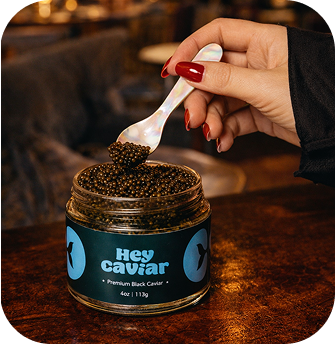
Yes. The original caviar jar is designed to preserve freshness.
Transferring caviar to another container introduces unnecessary exposure to air and handling variation. Each transfer slightly disrupts the structure of the roe and accelerates oxidation.
If the original lid is not fully airtight, a simple adjustment helps:
Place a thin layer of plastic wrap directly on the surface of the caviar before sealing the lid. This reduces air contact without disturbing the product.
At Hey Caviar, we recommend leaving the product exactly where it started, unless there’s a clear reason not to.
How Air Exposure Affects Caviar
Air is the main factor that degrades caviar after opening.
Once exposed, oxygen begins to affect:
- aroma (becomes sharper)
- texture (beads soften)
- flavor clarity (less clean, more muddled)
This process is gradual, not immediate. With black caviar, the early stages are subtle, which is why proper sealing matters more than people expect.
Reducing air exposure doesn’t stop the process, but it slows it down enough to preserve quality for a reasonable window.
When to Take Caviar Out of the Fridge
Caviar should be served cold, not room temperature. Removing it too early allows the structure to soften before it’s even tasted.
A practical approach:
- remove the caviar jar just before serving
- keep it on a cold surface (ice or chilled plate if available)
- avoid letting it sit out unnecessarily
This helps the beads retain their texture and keeps the flavor where it should be. Unlike foods that benefit from coming up to room temperature, caviar is best served properly chilled.
How Storage Affects Different Types of Caviar

Most forms of black caviar, including Kaluga, Osetra, and others, follow the same storage principles.
There are slight differences in membrane firmness between species, but these do not meaningfully change storage requirements.
For any of them, temperature consistency, limited air exposure, and careful handling are the main considerations.
Common Storage Mistakes to Avoid
Most issues with caviar come from small, avoidable habits.
Frequent opening and closing introduces temperature swings. Leaving the container out for extended periods softens the beads. Transferring caviar unnecessarily exposes it to air.
None of these mistakes ruin caviar instantly, but they shorten the window in which the beads retain the texture and flavor you paid for.
Quick Takeaway
Frequent opening, air exposure, and leaving caviar out shorten freshness. Consistent cold storage protects texture, flavor, and overall quality.
Why Proper Storage Protects the Experience

Texture is a major part of what makes good caviar good. The beads should hold their shape in the jar and release cleanly when you eat them rather than becoming soft or losing definition.
That’s why proper storage matters even before there are obvious signs of spoilage. Caviar can still be edible after its texture and flavor have started to decline, so keeping the jar cold and sealed is also about preserving the quality you bought it for.
How This Connects to Shelf Life and Freshness
 Storage and shelf life are directly linked.
If you want a deeper breakdown of how long caviar maintains its quality after opening:
→ How Long Does Caviar Last? Storage, Shelf Life, and Freshness Explained
And if you want to understand how different types of caviar vary in structure:
→ Types of Caviar Explained

Keep Good Caviar Tasting Good
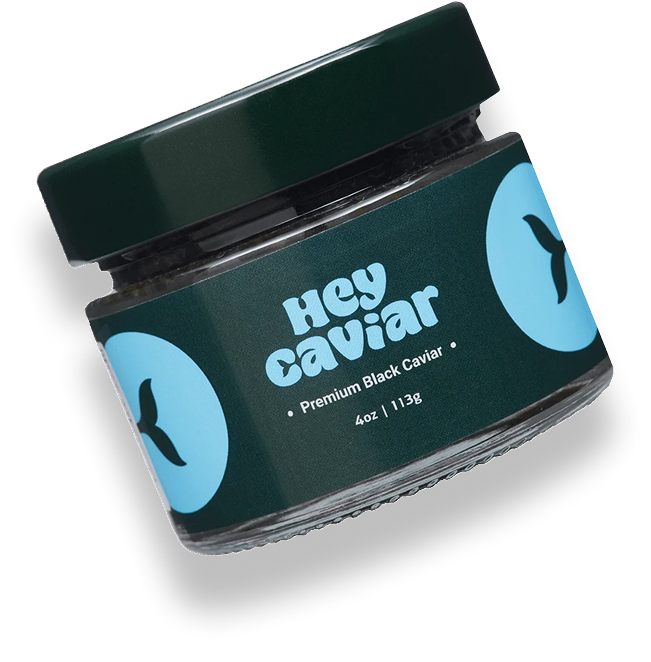
Proper storage matters most when the caviar is worth protecting in the first place. Our Grade A Kaluga caviar has large, firm beads with a clean pop and smooth, buttery flavor, and we ship every jar cold so it arrives ready for your refrigerator or, preferably, your next snack.
Keep it cold, open it when you’re ready to eat it, and don’t leave the good jar hiding behind the mustard for three weeks. Caviar is better when you actually eat it.
Get your jar. Pretend you’re important