How Caviar Is Harvested:
From Sturgeon to the Jar

Lover of process, especially when it explains the outcome
How Is Sturgeon Caviar Harvested?
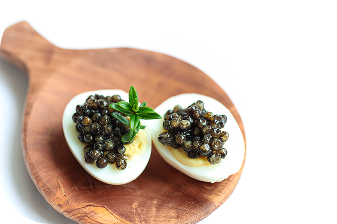 Sturgeon caviar is harvested by extracting mature roe from sturgeon, carefully separating the eggs, and curing them with salt.
The basic process is straightforward, but the finished caviar depends heavily on timing and handling. The roe has to be harvested at the right stage of maturity, then cleaned, sorted, salted, packed, and kept cold without damaging the individual eggs along the way.
Quick Takeaway
Caviar production begins with mature sturgeon roe. The eggs are extracted, separated from the membrane, cleaned and sorted, lightly salted, packed, and refrigerated to preserve their texture and flavor.
What “Harvesting Caviar” Actually Means

The roe already develops inside the sturgeon, so harvesting refers to removing it once the eggs have reached the right stage of maturity. After harvesting, the work shifts to protecting the structure of the eggs, balancing the salt, and preparing the roe for refrigerated storage. This distinction also helps explain the difference between caviar and roe.
Timing matters because immature eggs may not yet have the structure expected from good caviar, while roe harvested too late can become softer and less stable. The same principle applies across different types of sturgeon caviar, including varieties commonly grouped under black caviar.
After harvesting, the work shifts to protecting the structure of the eggs, balancing the salt, and preparing the roe for refrigerated storage.
Modern Sustainable Caviar Production
Today, much of the caviar sold commercially comes from farm-raised sturgeon.

Modern caviar farms monitor water quality, feeding, growth, and maturation so producers have a clearer idea of when the roe is ready to harvest. Better control over those conditions can also make quality more consistent from one batch to another.
Aquaculture has reduced the industry’s dependence on wild sturgeon populations and made the origin of modern sturgeon caviar easier to trace.
That traceability is useful for buyers because the condition of the finished caviar starts long before the roe is removed. The way the fish are raised, the timing of harvest, and the handling of the eggs all influence what eventually ends up in the jar.
The Roe Extraction Process
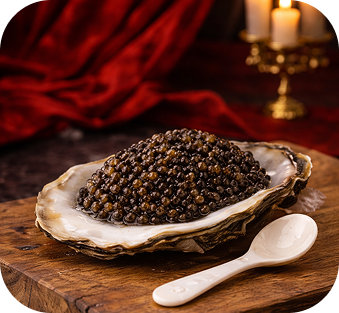
Once the sturgeon reaches the appropriate stage of maturity, the roe is removed.
The eggs are contained in sacs inside the fish. During processing, those sacs are opened and the roe is separated from the surrounding membrane as carefully as possible.
Broken eggs release liquid and lose the clean, defined texture associated with high-quality caviar, so careful handling matters from the beginning. At this point, the roe is still raw and unsalted, which makes controlled processing especially important before it moves on to cleaning and curing.
Cleaning and Sorting the Roe
After extraction, the roe is cleaned to remove remaining membrane and other unwanted material before the eggs are inspected and sorted.
The eggs are typically evaluated by characteristics such as:
- size
- firmness
- color and overall appearance
Even roe from the same sturgeon species or production batch can vary slightly in size, firmness, and appearance. Sorting groups eggs with similar characteristics together and helps create a more consistent finished product.
When you open a jar and see evenly sized, well-defined beads, part of that consistency comes from the work done during this stage.
The Curing Process (Malossol)
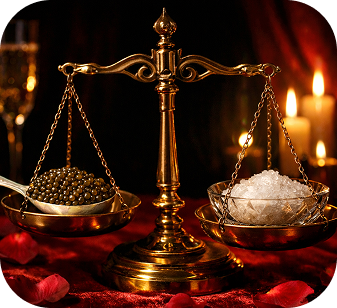
After cleaning and sorting, the roe is cured with salt. This is what turns fresh sturgeon roe into the caviar you eventually eat.
A traditional light-curing approach is known as malossol, a term associated with using relatively little salt. The amount has to be carefully controlled because the salt has two jobs: preserving the roe and developing its flavor.
Too much salt can overwhelm the natural character of the eggs, while too little can make preservation more difficult. A well-balanced cure keeps the flavor of the sturgeon roe noticeable and helps the beads maintain their texture during storage.
The amount of salt used at this stage will still be noticeable later, both in the flavor of the caviar and in how well the roe holds up through packing, shipping, and refrigeration.
Quick Takeaway
Malossol caviar is lightly salted so the roe can be preserved without covering its natural flavor. Salt level affects both the taste and the way the beads hold their texture during refrigerated storage.
From Harvest to the Caviar Jar

Once the roe has been cured, the caviar is packed into containers and kept under refrigeration. Maintaining a reliable cold chain during storage and delivery helps protect the texture and flavor established during harvesting, sorting, and curing.
By this point, the major characteristics of the product have already been shaped by the maturity of the roe, the way it was handled, the sorting process, and the cure. Refrigeration then helps protect those qualities until the jar is opened.
Good storage cannot fix roe that was damaged or poorly cured earlier in the process. It can, however, help properly handled caviar keep the texture and flavor it had when it was packed.
Why Harvesting Method Affects Quality
Each stage of production leaves a mark on the finished caviar:
- harvesting at the right maturity affects the structure and texture of the roe
- careful extraction and handling help keep the beads intact
- cleaning and sorting improve consistency
- curing controls the balance between natural flavor and salinity
- refrigeration helps preserve those characteristics after processing
Two types of black caviar can therefore look similar in a jar and still taste or feel noticeably different.
Species plays a role, but maturity, handling, curing, and storage all contribute to what you experience once the jar is open. Different varieties, including Kaluga caviar, can vary noticeably in bead size, texture, and flavor even when the production process follows similar principles.
That is why the quality of caviar cannot be judged by the final packaging alone. Much of it has already been decided during production.
How This Connects to Storage and Freshness
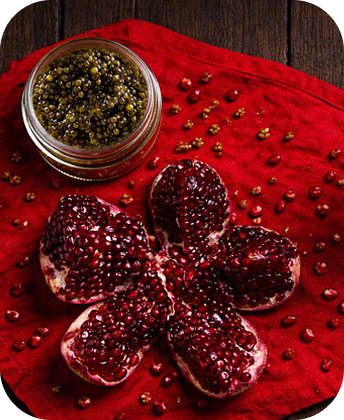
Harvesting and curing establish much of the caviar’s texture and flavor, while storage determines how well those qualities are preserved afterward.
If you want to understand what happens once the caviar reaches your refrigerator and how temperature affects it, read:
→ How to Store Caviar Properly
For a closer look at how long an opened or unopened jar can maintain its quality, read:
Together, those guides cover the part of the process that begins after production and ends when you finally open the jar.

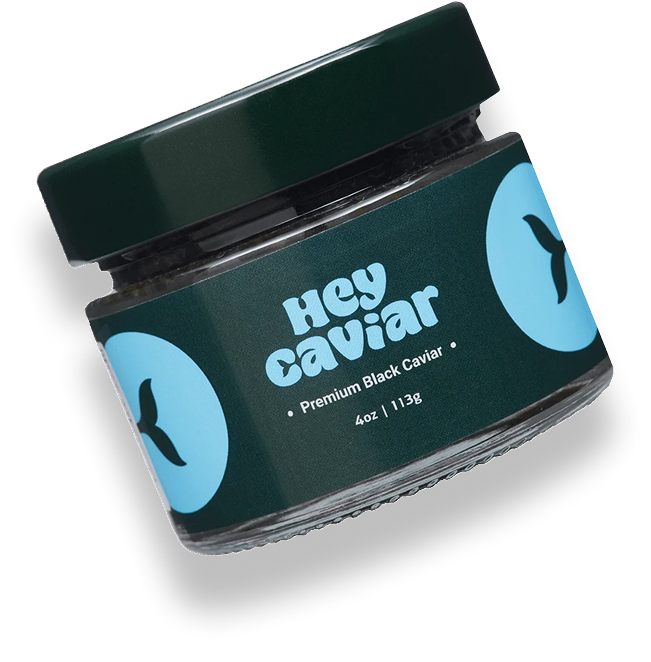
Taste the Work That Goes Into the Jar
Once you understand how much depends on maturity, careful handling, sorting, curing, and refrigeration, the differences between one jar and another make a lot more sense.
Our Grade A Kaluga is selected for the qualities that survive all of those steps when the process is done well: large, firm beads, a clean pop, and a smooth, buttery flavor. We keep it cold through packing and ship it with 24-hour delivery so the caviar reaches you in the condition we expect.
You’ve already seen what goes into producing it. The useful part now is tasting the result.
Try Our Grade A Kaluga