Does Caviar Go Bad? Signs of
Spoilage and What to Look For

Lover of knowing when something’s past its moment
Does Caviar Go Bad?
Yes, caviar can go bad, although the decline usually starts before the product is obviously spoiled.
The first changes are usually in texture, aroma, and flavor. If you know what fresh caviar should look and taste like, those changes are easier to spot before the jar gets to the point where it should simply be thrown away.
Quick Takeaway
Caviar usually loses freshness before it becomes obviously spoiled. Check the smell, texture, and appearance together rather than relying on just one sign.
What Happens to Caviar as It Breaks Down
Caviar is salt-cured fish roe, and the eggs remain delicate even after curing.
Premium caviar is typically cured lightly enough to preserve the natural flavor and texture of the roe, which also means the product stays sensitive to temperature, air, and handling.
As caviar begins to deteriorate, you may notice:
- a sharper or less clean aroma
- softer beads that no longer hold their shape as well
- flavor that tastes flatter, harsher, or less defined
These changes tend to appear gradually. One small difference doesn’t always tell you much on its own, so it helps to look at the overall condition of the jar rather than relying only on caviar storage time.
How to Tell If Caviar Has Gone Bad
Start with the smell, then look at the texture and appearance.
Smell: The First Indicator
Fresh caviar should smell mild, clean, and lightly briny. A strong fishy, sour, or unpleasantly sharp smell is a warning sign and a good reason not to eat it.
With black caviar, the change may be subtle at first, so compare the aroma with what you remember from when the jar was first opened.
Texture: The Most Important Signal
High-quality caviar should have intact, separate beads with a defined texture and a gentle release when pressed against the palate.
As the roe deteriorates, the eggs can soften, collapse, or release more liquid into the container. If the caviar has turned noticeably mushy, it has already lost much of the texture you paid for, even if there is no dramatic sign of spoilage yet.
Appearance: What to Look For Visually
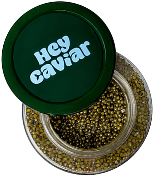
Fresh caviar should generally look glossy, with intact beads and a consistent overall appearance.
Excess liquid, a large number of broken beads, or a visible change in the condition of the roe can all indicate that the product is deteriorating.
Color is less useful on its own because different types of black caviar naturally vary from gray and charcoal to brown, olive, and lighter shades. Changes in bead structure and liquid level tell you more than whether the eggs look slightly lighter or darker.
Spoiled vs. Past Its Prime

Caviar can be past its best before it becomes obviously spoiled.
The eggs may soften, the flavor can lose definition, or the aroma may become stronger while the product still looks reasonably normal. That doesn’t necessarily mean it is unsafe, but it does mean you are no longer getting the texture and flavor the caviar was meant to have.
Compare the jar with how it looked and tasted when you first opened it. A noticeable loss of structure, a duller flavor, or a stronger aroma usually means the caviar has moved past peak quality. If the smell is unpleasant, the roe looks significantly broken down, or several warning signs appear together, discard it.
Why Caviar Is So Sensitive
Caviar is only lightly processed, so much of the natural structure of the eggs remains intact after curing.
Salt helps preserve the roe, but it doesn’t make the beads immune to warm temperatures, oxygen, or rough handling. Once a jar is open, those factors begin to matter even more because the roe is exposed to air every time the lid comes off.
The firmness and clean pop people look for in good sturgeon caviar come from that delicate structure. Poor storage affects the same structure first, which is why texture is often one of the earliest things to change.
Quick Takeaway
Keep opened caviar consistently cold, minimize the time it spends exposed to air, and avoid unnecessary handling. Those habits help the beads stay firm and the flavor stay clean.
How Handling Affects Spoilage
What you do after opening the jar can shorten or extend the period in which the caviar still tastes good.
Repeated temperature changes, leaving the lid off, or transferring the roe between containers expose it to conditions that speed up deterioration. Even excellent premium caviar can lose texture quickly if it spends too much time warming up and cooling down again.
Keep the jar refrigerated and take out only what you plan to serve. If you’re eating in several rounds, it’s better to keep the rest chilled than leave the whole jar sitting on the table.
We ship our caviar cold because the condition of the roe matters from the moment it leaves us, but storage at home finishes the job. If you keep the jar properly chilled and limit air exposure, you give the beads a much better chance of staying firm and clean-tasting until the last serving.
 Does Black Caviar Spoil Differently?
 Does Black Caviar Spoil Differently?
Different types of black caviar vary in bead size, firmness, and flavor, but the warning signs are broadly similar.
Kaluga, Osetra, and other sturgeon caviars don’t all feel identical when fresh, so there’s no single texture standard that works for every jar. A naturally softer variety may still be perfectly good, while a firmer variety that suddenly feels loose or mushy may already be declining.
Pay attention to change rather than trying to compare every species against the same benchmark. Strong off-odors, significant softening, broken beads, and excess liquid are useful warning signs regardless of the type of sturgeon.
 When It’s Better Not to Take the Risk
 When It’s Better Not to Take the Risk
If the caviar smells strongly unpleasant, has become very soft or broken down, or is sitting in an unusual amount of liquid, throw it away.
There’s no reason to taste questionable caviar just to confirm what your nose and eyes are already telling you. Caviar is perishable, and replacing a jar is a better choice than trying to rescue one that clearly looks or smells wrong.
How This Connects to Storage and Freshness

Spoilage and storage are closely connected because temperature, air exposure, and handling all influence how long the caviar keeps its texture and flavor.
If you want to understand how to keep an opened or unopened jar in the right conditions, read:
→ How to Store Caviar Properly
For a more detailed breakdown of how long caviar can maintain its quality before and after opening, read:
Those two guides cover the practical side of keeping the jar cold, knowing when to finish it, and getting the most out of the caviar while it is still fresh.

Fresh Caviar Is Worth Eating Fresh
Good caviar is at its best while the beads are firm, the aroma is clean, and the flavor is still clear enough to taste what you bought. Once those qualities start fading, stretching the jar for another serving usually isn’t doing the product any favors.
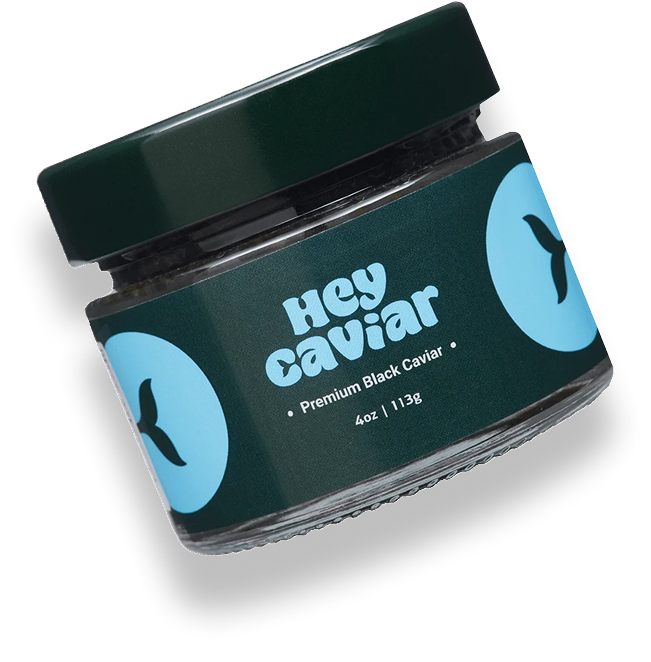
Our Grade A Kaluga is packed cold and shipped quickly so it reaches you with the large, firm beads and smooth, buttery flavor we expect from it. After that, the best thing you can do is keep it chilled and actually eat it while it’s good.
Open It While It’s Still at Its Best.